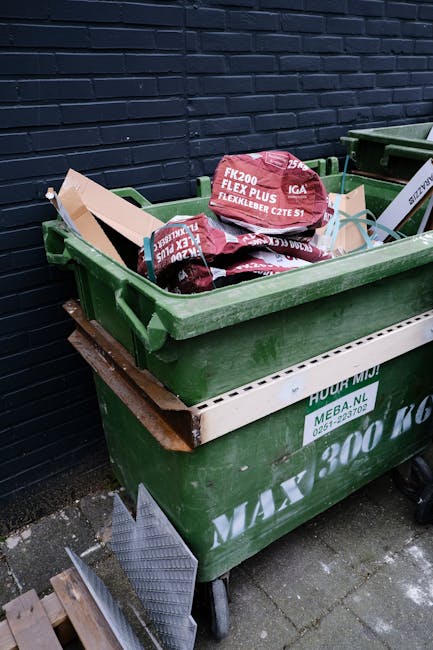
How trades should manage building waste on-site
If you run a trade, you already know the awkward truth: building waste piles up faster than anyone expects. One minute the site is tidy, the next you are stepping around broken plasterboard, timber offcuts, packaging, old fixtures, dust sheets, and a bin that somehow filled itself before lunch. Managing building waste on-site well is not just about keeping things neat. It keeps the job moving, reduces risk, protects your reputation, and makes handover feel calm instead of chaotic.
This guide breaks down how trades should manage building waste on-site in a way that works in the real world. We will cover planning, sorting, storage, removal, compliance, and a few hard-earned habits that save time. If you have ever had a skip half-full of mixed rubble and cardboard by Wednesday, you are in the right place.
- Quick takeaway: the best waste system is planned before the first cut is made.
- Good waste control: reduces delays, trip hazards, and avoidable costs.
- Best outcome: a cleaner site, smoother workflow, and fewer headaches at the end of the job.
Table of Contents
- Why managing building waste on-site matters
- How building waste management works on a live site
- Key benefits and practical advantages
- Who this is for and when it makes sense
- Step-by-step guidance
- Expert tips for better results
- Common mistakes to avoid
- Tools, resources and recommendations
- Law, compliance, standards and best practice
- Options, methods and comparison
- Case study or real-world example
- Practical checklist
- Conclusion
- Frequently asked questions
Why managing building waste on-site matters
Building waste is not just an eyesore. On a busy site, it affects almost everything: safety, productivity, access, client confidence, and even whether the next trade can get started on time. A small pile of debris near the entrance becomes a bottleneck. Loose offcuts left in a walkway become a trip hazard. Mixed waste dumped without thought becomes slower and more expensive to remove later.
For trades, the biggest issue is usually not waste itself. It is waste without a system. If every person on site has their own idea of where scraps should go, things unravel quickly. You end up with plasterboard next to general rubbish, wood contaminated with wet paint, and recyclable material mixed into rubble. That makes sorting harder, disposal more expensive, and recycling less likely.
There is also the customer side. Homeowners, landlords, and commercial clients notice the site atmosphere. A tidy work area suggests competence. A cluttered one suggests the opposite, even if the workmanship is excellent. To be fair, most clients will forgive dust. They will not forgive mess that looks unmanaged.
In our experience, waste control matters most on jobs with limited space: terraced homes, flats, narrow access roads, offices in use, and refurbishments where materials are constantly coming in and out. If the site is cramped, waste discipline is not optional. It is the difference between smooth progress and daily friction.
For larger commercial or multi-trade jobs, waste management also helps with coordination. It is easier to know what has been stripped, what is still needed, and what can be cleared when everything has a place. The site feels less like a jumble of random material and more like a job that is actually under control.
How building waste management works on a live site
Good on-site waste management follows a simple idea: separate waste as close to the point of generation as possible. That means the person taking something off or cutting something down should already know where it goes next. Not later, not at the end of the day. Immediately, if possible.
In practice, this usually involves four stages:
- Identify the waste streams. Decide which materials will be produced: inert rubble, timber, metal, cardboard, plasterboard, plastics, general waste, and any special items.
- Create labelled holding points. Use clearly marked bags, bins, containers, or skips so waste is not dumped into one mixed pile.
- Move waste off the working area quickly. Keep access routes clear and remove waste before it spreads.
- Arrange the right disposal route. Some waste can be recycled, some needs specialist handling, and some is best cleared in one organised collection.
That sounds straightforward because it is. The challenge is consistency. Waste handling needs to be part of the routine, not a side task somebody does when they remember.
A simple example: a kitchen rip-out in a small flat. The old units come out, packaging from the new ones arrives, screws and brackets fall everywhere, and plaster dust gets into corners. If the trade team uses one pile for everything, the site turns messy fast. But if timber is stacked separately, metal goes into a dedicated bag, cardboard is flattened immediately, and rubble is kept apart, the job stays manageable. Small habits, big difference.
If you need a broader overview of service options for larger site clear-outs, the builders waste clearance page is a useful starting point, and the wider waste removal service information can help when a job needs a straightforward collection rather than a long onsite buildup.
Key benefits and practical advantages
Managing building waste properly does more than keep a site looking respectable. The real gains show up in time saved, fewer mistakes, and less stress at the end of the day. And honestly, that last part counts more than people admit.
- Safer working conditions: fewer trip hazards, sharper edges lying around, and less chance of damaged materials being kicked into walkways.
- Faster work: trades can move without clearing debris every few minutes.
- Better use of space: especially important on tight domestic sites where every square metre matters.
- Lower disposal costs: sorted waste is often easier and cheaper to handle than mixed loads.
- Cleaner handovers: clients notice when the job finishes without a mountain of leftover material.
- Better recycling outcomes: more material can be diverted from general waste when it is separated correctly.
There is also a less obvious benefit: fewer arguments on site. Waste becomes a source of friction surprisingly often. One person leaves packaging in the wrong place, another uses the wrong bag, the skip gets blocked, and suddenly everyone is irritated before the kettle has boiled. A clear waste routine removes that noise.
For businesses that want a more structured approach across different job types, it can help to look at general business waste handling practices too. The business waste removal page is useful if your operation needs a regular, dependable solution alongside project work.
Who this is for and when it makes sense
This approach is relevant to almost every trade working on occupied or active sites. Builders, plumbers, electricians, kitchen fitters, carpenters, decorators, roofers, landscapers, and refurbishment teams all produce waste, even if the type differs.
It makes the most sense when:
- the site is small or access is awkward;
- multiple trades are working at once;
- the client wants the property kept live and usable;
- the job creates mixed waste streams;
- materials arrive daily and offcuts pile up quickly;
- you need a neat finish at handover.
It is also important for teams working in flats, offices, rented homes, and shared buildings. In those spaces, rubbish cannot just be shoved into a corner and forgotten. Someone will need that corner. Usually by the afternoon.
If your work often includes fit-outs, strip-outs, or furniture-heavy clearances, relevant service pages can help you think through disposal categories more clearly. For example, the pages for office clearance, house clearance, and home clearance all reflect the kinds of mixed materials trades may encounter in real projects.
Step-by-step guidance
Here is the part most teams actually need: a simple process they can apply tomorrow morning.
1. Plan waste handling before work starts
Before the first tool comes out, look at the likely waste streams and decide where each one will go. That should include rubble, wood, packaging, metal, plasterboard, and general waste. If there are awkward items, such as old furniture, damaged fittings, or bulky debris, plan those too. Planning sounds dull. It saves the day.
2. Set up a waste station
Choose one place on site for waste holding. Keep it out of the main working path but close enough that people will actually use it. Label bags, containers, or skip areas clearly. If everyone has to guess, they will guess differently.
3. Separate waste at the point of removal
When something comes down, sort it immediately. Do not let it become a single mixed pile. Dry timber should not be tossed in with rubble. Cardboard should be flattened rather than stuffed whole into a bag. Metal offcuts should be kept together where possible.
4. Keep walkways and access points clear
This is one of those simple rules that gets ignored right until someone stumbles. Keep stairs, doorways, corridors, and loading areas free of waste. If waste starts creeping outward, move it sooner rather than later.
5. Remove waste regularly, not just at the end
Waiting until the job is finished often creates a horrible final sweep. Bags split. Debris gets damp. The stack becomes too heavy to move comfortably. Better to make smaller, regular removals. A little and often. Properly boring. Properly effective.
6. Decide what needs specialist handling
Some materials need extra care. That may include items contaminated with paint or adhesive, sharp waste, electrical items, or anything the site manager has flagged for separate treatment. If in doubt, isolate it instead of mixing it in.
7. Confirm the handover is clean
Before leaving, walk the site once more. Check corners, under materials, behind doors, and around external access. You know how these things go: the one forgotten bag is always the one the client spots first.
Expert tips for better results
A few small habits make waste management dramatically easier.
- Use more than one container type. One bag for everything is convenient only at the start. Separate containers help sorting stay realistic.
- Flatten packaging immediately. Cardboard and plastic film take up far more room than they should.
- Put waste near the job, but not in the way. If it is too far away, people will not use it. If it is too close, it blocks movement.
- Assign one person to watch the system. Not every minute, but enough to keep it honest.
- Build waste breaks into the day. A five-minute clear-out before lunch can save twenty minutes later.
- Photograph the site before final leave. Useful for your own records and for quiet reassurance when the client is fussy.
One practical detail people overlook: wet weather. In the UK, waste that gets soaked becomes heavier, messier, and harder to sort. Keep recyclable material dry where possible. A bit of drizzle can turn neat cardboard into a sodden nuisance by tea time.
If you are aiming for a cleaner recycling split, the page on recycling and sustainability is worth a look because it reinforces the logic behind separating materials early rather than dealing with one blended heap at the end.
Common mistakes to avoid
Most waste problems on site are not dramatic. They are small, repeated errors that snowball.
- Mixing everything together. This is the fastest route to a messy site and a more frustrating clear-up.
- Leaving waste where it lands. That one always starts innocently and ends with a blocked passage.
- Ignoring bulky waste. Old doors, cabinets, furniture, and broken fittings take up more room than expected.
- Overfilling bags. Heavy bags split, tear handles, and are unpleasant to move. Nobody enjoys that.
- Not checking what the client wants kept. In occupied homes or offices, there is a big difference between waste and something someone still needs.
- Forgetting the final sweep. Screws, offcuts, and packaging bits are easy to miss and very obvious once the client walks back in.
Another common mistake is assuming waste management is only about disposal. It is not. It is also about workflow. If waste is affecting access, the whole job slows down. That is why the best teams think about it from day one.
Tools, resources and recommendations
You do not need an elaborate setup. In fact, simple is usually better. The useful kit is often the most unglamorous stuff on site.
| Tool or resource | Why it helps | Best used for |
|---|---|---|
| Heavy-duty rubble bags | Useful for small, dense waste streams | Brick, plaster, tile fragments, small demolition waste |
| Clearly labelled bins or tubs | Makes sorting easier for everyone | Metal, packaging, timber offcuts, reusable hardware |
| Wheeled containers | Reduces lifting strain and speeds movement | Larger internal sites or multi-room jobs |
| Protective dust sheets | Helps keep waste and dust contained | Occupied properties and finished areas |
| Magnetic sweeper or hand brush set | Picks up nails, screws, and small metal pieces | Final tidy-up after strip-out or carpentry work |
| Skip or collection plan | Provides an obvious end point for larger volumes | Refurbs, extensions, and heavy demolition |
For larger or more varied loads, many teams benefit from arranging dedicated collection support rather than trying to manage everything manually. If your project involves a lot of material moving, the builders waste clearance page is especially relevant, while the pricing and quotes information can help you compare the practical cost of different approaches before the work begins.
When the job includes old fittings or bulky interior items, related disposal pages can also be helpful. The furniture disposal and furniture clearance pages are useful reference points where trades are clearing out heavy pieces as part of a refurbishment or rip-out.
Law, compliance, standards and best practice
Waste management on site has a compliance side, and it should be taken seriously. UK rules and local expectations can vary depending on the type of waste and the setting, so it is sensible to check the relevant duties for your job rather than guessing. That is the safe, boring answer. Also the correct one.
In practical terms, trades should think about a few core expectations:
- Duty of care: waste should be handled responsibly from the point it is created until it is removed.
- Correct segregation: keeping different waste types apart can make disposal safer and more efficient.
- Site safety: waste should not create trip hazards, obstruct exits, or interfere with emergency routes.
- Contract clarity: the job scope should make it clear who is responsible for clearing what.
- Evidence and records: where relevant, keep internal records of removal arrangements and any important transfer details.
Best practice also means being careful with anything that could be sharp, dusty, awkward, or contaminated. Old plasterboard, broken glass, paint tins, adhesive tubs, and stripped cable all deserve a bit more thought than a standard bag at the gate. If you are not sure, isolate it first and decide later.
It is also worth making sure your own house rules and safety procedures are genuinely followed. A well-written policy means little if the lads are tossing everything into the first available corner. If you maintain trade or site procedures, the health and safety policy and insurance and safety pages can support the wider expectations around safe, orderly work.
Options, methods and comparison
There is more than one way to manage building waste on-site. The right option depends on space, volume, programme pressure, and how clean the site needs to stay during the job.
| Method | Best for | Pros | Trade-offs |
|---|---|---|---|
| On-site segregation with bags and bins | Small to medium jobs | Cheap, flexible, easy to start | Needs discipline and regular sorting |
| Skip-based collection | Heavier jobs and ongoing waste output | Simple, familiar, handles volume | Needs space and can fill with mixed waste if unmanaged |
| Scheduled waste clearances | Projects with repeat waste buildup | Keeps the site clear without constant manual handling | Requires planning and timing discipline |
| Dedicated waste removal service | Busy sites, tight access, or mixed waste | Reduces stress and saves labour time | Needs coordination with the job schedule |
There is no universal winner here. A small bathroom refit in a flat probably does not need the same setup as a loft conversion with timber, insulation, and plasterboard coming out all week. The best choice is the one that keeps the site functional without adding unnecessary cost or clutter.
For jobs in tighter spaces, related clearance services can offer a good benchmark for what a tidy, efficient removal process looks like. You might also find the loft clearance and flat clearance pages useful when thinking about access, load size, and how quickly a space can be restored to normal.
Case study or real-world example
Here is a realistic example from an average weekday job, nothing glamorous. A small refurbishment in a terraced house needed a kitchen strip-out, some plaster repair, and new flooring. The rear access was narrow, the kitchen opened into a passage, and materials were arriving before the old units were fully out. In the first hour, waste was already building up at the back door.
The team changed approach. They set one corner as a waste point, used separate sacks for rubble and packaging, stacked timber neatly, and moved broken fixtures out in smaller loads instead of piling them all at once. Someone kept an eye on the access route every couple of hours. Nothing dramatic. Just steady discipline.
By the end of the day, the site still looked like a worksite, of course, but it was workable. The client could move through the hallway without weaving around debris, the decorators could start the next morning without clearing a mess first, and the final handover felt calm. Truth be told, the customer noticed the tidiness more than the new units at first. That is the sort of thing people remember.
There was no magic trick. Just a clearer system and fewer "we'll deal with that later" moments.
Practical checklist
Use this as a quick pre-start or end-of-day check. It is simple, but it catches most of the avoidable issues.
- Have waste streams been identified before the work started?
- Is there a clear waste station or holding area on site?
- Are bags, bins, or containers labelled sensibly?
- Is waste being separated as it is removed?
- Are walkways, exits, and access points clear?
- Has bulky waste been dealt with before it blocks work?
- Are sharp or contaminated items isolated properly?
- Has the site been swept and checked before leaving?
- Do the client and the crew agree on what stays and what goes?
- Is there a plan for the next waste pickup or clearance?
If you can answer yes to most of those, the site is probably in decent shape. If not, a small reset now will save grief later. It nearly always does.
Conclusion
Managing building waste on-site is one of those trade habits that pays off quietly. It does not usually get praised, but it improves safety, keeps work moving, and makes the final result look far more professional. A good waste system is simple: plan early, sort as you go, remove regularly, and leave the site cleaner than you found it.
The strongest teams treat waste as part of the job, not a side issue. That mindset changes everything. Less clutter. Less confusion. Less last-minute stress. And if the site is cramped or the project is mixed and messy, that discipline becomes even more valuable.
For trades who want a smoother, more dependable way to handle clearance and disposal, it is worth exploring the services and guidance available on the site, especially where a larger job needs more than just a few bins and a hopeful shrug.
Get a free quote today and see how much you can save.
Frequently Asked Questions
What is the best way for trades to manage building waste on-site?
The best way is to separate waste at the point it is created, keep a clear waste station on site, and remove material regularly so it does not build into one large, mixed pile.
Should trades sort building waste or mix it together?
Sorting is usually far better. Mixed waste is harder to handle, slower to clear, and often less efficient to dispose of. Keeping materials apart can make the whole job easier.
How often should building waste be removed from a job?
That depends on the size of the job, but regular removal is usually best. Small clear-outs through the day often work better than leaving everything until the end.
What waste should be kept separate on site?
Rubble, timber, metal, cardboard, plasterboard, general rubbish, and any sharp or contaminated waste should ideally be separated where practical.
How do trades keep a site tidy during a refurbishment?
Use labelled containers, keep access routes clear, flatten packaging straight away, and do a final sweep before leaving each day. It sounds basic because it is.
Do trades need a skip for every job?
No. Smaller jobs may only need bags, bins, or a scheduled collection. A skip makes sense when the volume is higher or waste is heavy and ongoing.
What are the biggest mistakes with building waste on-site?
The main mistakes are mixing all waste together, overfilling bags, leaving debris in walkways, and failing to plan how bulky items will be removed.
How can trades reduce waste disposal costs?
Separate waste properly, avoid contamination, remove waste before it spreads, and choose the method that fits the job size rather than defaulting to the most expensive option.
What should happen with bulky waste like old units or fittings?
Bulky waste should be removed in a planned way so it does not block access or get broken up unnecessarily. It often needs a separate clear-out route.
Are there compliance issues trades need to think about?
Yes. Trades should treat waste responsibly, keep sites safe, and follow the relevant duty-of-care and site-safety expectations for the material and job type.
How do you manage waste on small sites with little space?
Use compact containers, remove waste more often, and keep one clearly defined holding area. On tight sites, a little discipline makes a huge difference.
Where can trades get help with building waste clearance?
Useful starting points include the builders waste clearance and waste removal pages, along with the pricing and quotes information if you need to plan the job properly before work begins.
What is the simplest end-of-day waste routine for a trade team?
Clear walkways, empty full bags, separate the useful material from the rubbish, sweep up screws and offcuts, and check corners before leaving. Five minutes well spent, really.