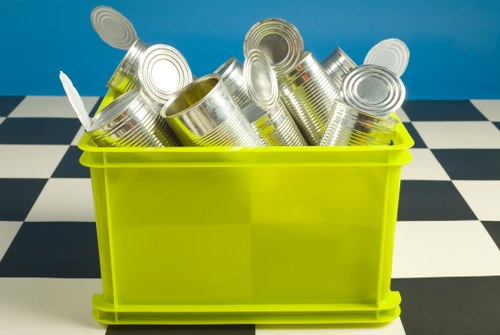
 Rubbish Removal Waste: Our Recycling and Sustainability Commitment
At Rubbish Removal Waste we believe every load collected is an opportunity to recover resources, reduce environmental impact and support the local community. Our rubbish removal services are built around measurable sustainability goals and practical on-the-ground action. From household clearances to commercial waste removal, we prioritise reuse and recycling wherever possible and operate with transparency and accountability.
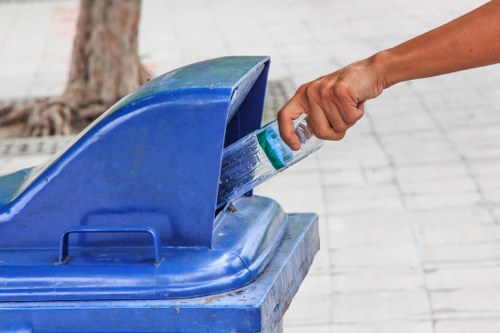 Our sustainability approach is designed to align with local borough waste separation schemes and regional environmental targets. We work closely with municipal guidelines that promote separated streams — food and garden waste, dry recycling (paper, card, plastics, tins), and residual waste — and we tailor our collection and sorting to complement those borough strategies. This collaborative approach helps ensure materials collected by our rubbish collection teams are directed to the correct treatment routes.
Recycling Percentage Target and Performance
We have set a clear, public target: to achieve a 70% recycling rate across all the waste we handle by 2030. This ambitious recycling percentage target covers both diverted materials and those processed through specialist recycling partners. To reach this, we measure recovery at every stage: on-site sorting, transfer station outcomes and final processing. Our environmental reporting tracks progress against the target and drives continual improvement.
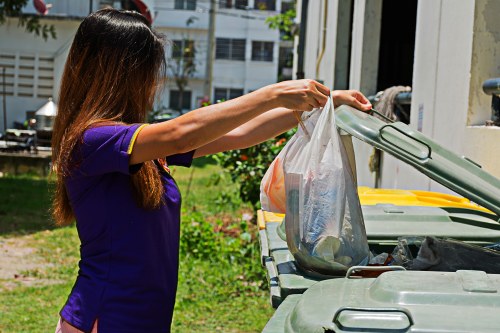 To support the target we operate a tiered sorting system. Key actions include on-vehicle segregation, enhanced hand-sorting at transfer points, and a preference for reprocessing streams (glass, metals, textiles, wood, inert soils) over energy-from-waste where feasible. We also prioritise diverting bulky items for repair and reuse so that fewer items require disposal. These measures help improve outcomes for local waste recycling programmes and for our overall waste removal footprint.
How we measure success
Success metrics include the percentage of material diverted from landfill, volumes sent to reuse or donation channels, and carbon intensity per tonne collected. We report on these figures regularly and adjust operations based on results. Transparency matters — stakeholders can expect regular updates on our recycling ratio and progress toward the 70% goal.
Local transfer stations are the backbone of responsible waste management. We partner with several well-equipped transfer stations in the region that provide sorting lines, baling facilities and certified waste-to-resource pathways. These facilities enable us to separate paper, card, mixed plastics, metals and inert materials efficiently, reducing cross-contamination and increasing the volume of materials recycled.
Typical transfer station activities include:
- Mechanical sorting for mixed dry recyclables to maximise recovery of plastics, metals and fibre.
- Manual quality control lines to remove contaminants and improve material value.
- Temporary staging for bulky items destined for reuse centres or charity partners.
We select transfer stations that match our environmental standards and that have robust auditing and traceability so every tonne has a documented path from collection to end processing.
Partnerships with charities are central to our reuse-first philosophy. Where items are in good condition — furniture, electricals, textiles and usable building materials — we prioritise donation to local charities and social enterprises. These partnerships reduce waste, support local people in need and extend the life of useful goods.
Our charity collaboration process includes assessment, refurbishment where required, and secure transfer to registered charity partners. We maintain records of quantities donated and ensure compliance with safety and WEEE requirements for electrical items. Diverting reusable items from the waste stream multiplies social and environmental benefits.
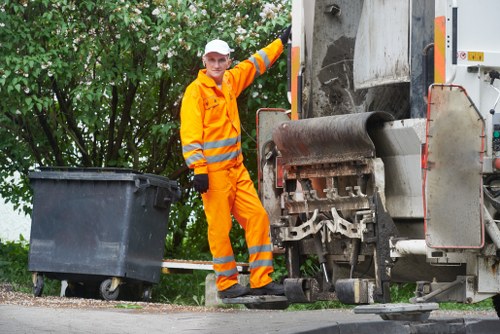 Beyond direct donations, we work with salvage companies and social projects that specialise in upcycling construction and demolition residues, timber offcuts and surplus fixtures. This ensures materials with residual value are captured and returned to the economy rather than being discarded.
 Low-carbon vans and fleet innovation underpin our operational decarbonisation. Our modern fleet includes hybrid and electric vans for urban collections and low-emission diesel alternatives for longer routes where electric range is currently constrained. Investment in low-carbon vehicles is matched with telematics, route optimisation and driver training to reduce idling, cut fuel use and lower emissions per job.
We deploy the most appropriate vehicle for each task, combining environmental performance with safety and reliability. For example, shorter inner-city runs use zero-emission vehicles where charging infrastructure allows, while larger bulky-item pickups use efficient Euro-6 vehicles or biofuel blends to achieve the best environmental outcome.
Across our operations we emphasise behavioural change and technical improvement: staff are trained in waste segregation on-site, drivers in fuel-efficient techniques, and managers in choosing processing routes that favour recycling. These actions cumulatively contribute to a lower carbon footprint and a stronger circular economy.
How residents and businesses can help: cooperation with local sorting rules makes a big difference. Please follow your borough’s approach to waste separation — typically separating food waste, dry recyclables and residual waste — to help us maximise recycling rates. Colour-coded containers and clear labelling are especially helpful when preparing items for collection.
We also encourage pre-collection segregation: set aside items for donation, identify hazardous materials for specialist handling and bundle wood, metal and plaster separately to ease processing at transfer stations. Small changes at the point of disposal have powerful downstream effects on recycling performance.
Rubbish Removal Waste is committed to continuous improvement: ambitious recycling targets, robust transfer station partnerships, strong charity networks and a greener fleet all support our mission. Together we can turn waste into resources and deliver a cleaner, more sustainable future for our neighbourhoods.