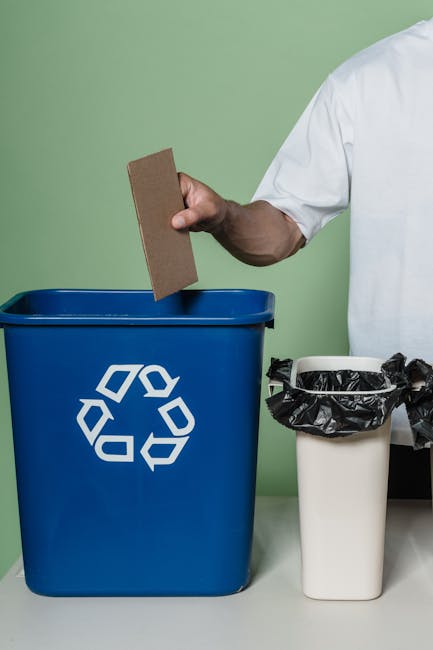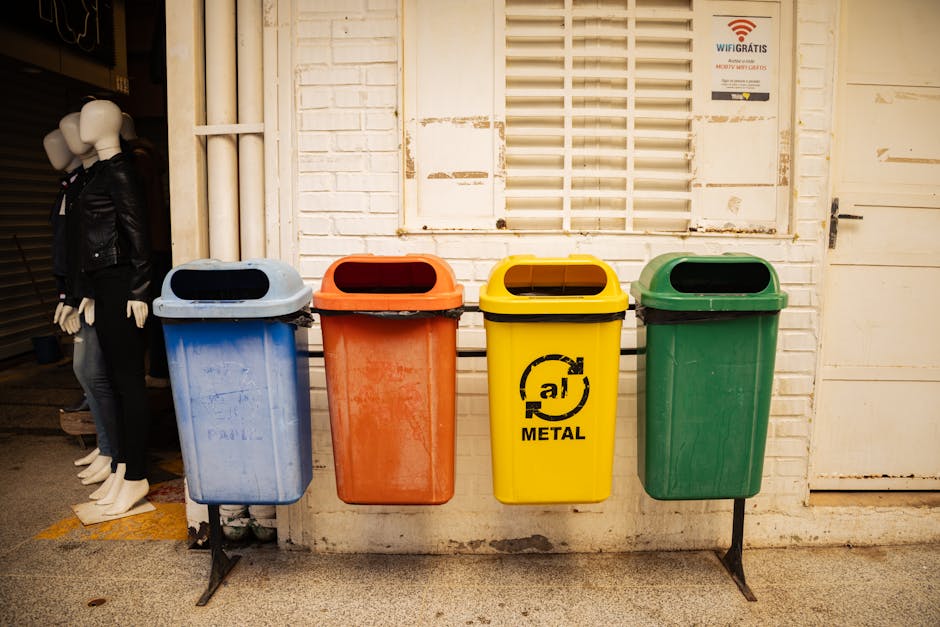
Recycling Myths That Lead to Wrong Disposal: A Practical Guide to Getting It Right
Recycling sounds simple enough until you're standing in front of a bin with a pizza box, a broken charger, a jam jar, and a plastic tray that "probably" goes in the same place. That's where recycling myths that lead to wrong disposal start doing real damage. A lot of well-meant habits are based on half-truths, old advice, or whatever someone heard from a neighbour. And truth be told, a wrong assumption at the bin can undo the good work you were trying to do.
This guide cuts through the noise. You'll learn which myths cause contamination, why they matter, how recycling decisions are usually made, and what to do instead when items are awkward, mixed-material, or simply not recyclable in the way people expect. If you manage waste at home, in a flat, on a building site, or for a business, the same principles apply: sort carefully, check the item, and don't guess.
For broader waste planning, it can also help to understand the bigger picture of recycling and sustainability and how everyday disposal choices affect the rest of your clearances. A bit of knowledge goes a long way.
Expert summary: most recycling mistakes happen because people recycle by material name rather than by item condition, contamination level, or local acceptance rules. If in doubt, slow down and separate it properly.
Why Recycling Myths That Lead to Wrong Disposal Matters
Wrong disposal is not just a tidy-bin problem. It can contaminate an entire load, reduce the quality of recovered materials, and send more waste away from recycling than people realise. A single wrong item in the wrong place can create extra sorting, extra handling, and extra frustration for everyone downstream. In a busy household that might mean a missed collection or a smelly overflow. In a business, it can mean operational hassle and poor waste separation habits spreading across the team.
The big issue is that myths are sticky. If someone has recycled a greasy takeaway container for years and never been corrected, they may assume they are doing the right thing. Then the same behaviour gets repeated by others. That's how contamination becomes normal. You'll notice it especially in shared bins, where one confident mistake can spread quickly. One person says "it's all plastic," and suddenly everyone is tossing mixed packaging together. Not ideal.
There's also a trust issue. People want to do the right thing, but recycling rules can feel inconsistent. One item seems acceptable in one place and not in another. That confusion is exactly where myths thrive. The answer is not to give up. It's to recycle with a bit more care and a lot less assumption.
Quick takeaway: recycling myths matter because they create contamination, lower recovery rates, and make genuinely recyclable items harder to process. Accuracy beats good intentions.
How Recycling Myths That Lead to Wrong Disposal Works
The process is usually simpler than the folklore around it. An item is collected, sorted, and either processed into a recoverable material stream or rejected because it is contaminated, unsuitable, or too mixed to separate economically. Wrong disposal happens when someone places an item based on guesswork rather than on how that item is actually made, cleaned, or accepted.
Here's the subtle part: many items are recyclable in theory but not always in practice. A clean aluminium can is one thing. A can coated in food residue, buried inside a mixed bag, or attached to non-removable plastic parts is another. The same is true for paper, cardboard, rigid plastics, textiles, small electricals, and furniture with mixed materials. The label on the item rarely tells the full story.
Recycling myths tend to work in three ways. First, they oversimplify: "all plastic is recyclable." Second, they overgeneralise: "if it's clean enough, it must be fine." Third, they rely on old habits: "we always used to put this in the recycling." Recycling systems change, packaging changes, and local acceptance varies. A fixed rule of thumb can become a wrong rule very quickly.
For larger clearances, the same caution matters even more. A mixed pile from a loft, garage, office, or renovation job often contains items that should be separated before disposal. If you're dealing with bulky household waste, it may be worth checking options such as home clearance, loft clearance, or builders waste clearance so items can be handled more sensibly from the start.
Key Benefits and Practical Advantages
Getting recycling right is not just about being environmentally responsible, although that matters. There are everyday practical benefits too, and they're easy to appreciate once you've had to sort a bin bag full of mystery packaging at 8am on a rainy Tuesday. A bit dramatic? Maybe. But that's real life.
- Less contamination: Correct sorting helps recyclable materials stay recoverable instead of being rejected.
- Cleaner waste streams: Separate, sensible disposal makes collections more efficient and less messy.
- Less time wasted: You avoid re-sorting items later, which always takes longer than doing it properly the first time.
- Better space management: Homes, flats, garages, and offices stay less cluttered when waste is categorised clearly.
- Fewer disposal headaches: Hazardous, bulky, and mixed items are easier to handle when not bundled into a "recycling" pile by mistake.
- More confidence: You can make decisions faster when you know what actually belongs where.
There's also a commercial angle. Businesses that separate waste properly often have smoother routines and fewer avoidable collection issues. Shared spaces especially benefit from simple, repeatable habits. For offices and commercial settings, services like business waste removal and office clearance are often easier to manage when staff understand the basics of correct disposal.
Who This Is For and When It Makes Sense
This topic is for almost everyone, but some people need it more urgently than others. If you are clearing out a property, renovating, moving, managing a shared household, or running a workplace with multiple bins and different waste types, you're in the danger zone for myths. The more moving parts there are, the easier it is for one wrong assumption to spread.
It also makes sense if you're dealing with bulky or awkward items. Furniture, mixed packaging, bagged rubbish from a garage, or rubbish from a flat clearance often includes materials people think are recyclable when they're not. A chair with fabric, foam, metal springs, and glued joints is not the same as a clean cardboard box. Not even close.
Typical readers include:
- homeowners sorting out kitchens, sheds, lofts, and storage spaces
- tenants and landlords managing end-of-tenancy waste
- flat residents using shared bins and limited storage space
- office managers trying to improve staff recycling habits
- tradespeople handling renovation offcuts and packaging
- anyone with furniture, garden waste, or mixed household items to dispose of
If your pile includes old sofas, cupboards, or bedside tables, it may be useful to understand the difference between furniture clearance and furniture disposal. Similar words, different outcomes.
Step-by-Step Guidance
Here's a straightforward way to avoid recycling myths and reduce wrong disposal. Keep it simple. The more complicated your system becomes, the less likely people are to follow it consistently.
1. Identify the item, not just the material
Ask what the object actually is. A food container, for example, is not automatically recyclable just because it used to contain plastic. Material, condition, coating, and contamination all matter.
2. Check whether the item is clean and dry
Food residue, liquid, grease, and mud can turn an otherwise suitable item into a problem. No one expects items to be spotless, but obvious contamination is where trouble starts.
3. Separate mixed materials where possible
If a product can be taken apart safely, do it. Remove batteries, detachable lids, excess tape, and obvious non-recyclable components if the item is designed to be separated. If it is glued together and won't come apart without damage or risk, treat it cautiously.
4. Put non-recyclables aside instead of guessing
This is the big one. Don't "hope for the best" with items you are unsure about. Set them aside for general waste, specialist disposal, or a separate review later. Guessing is usually how wrong disposal happens.
5. Deal with bulky or awkward waste in one plan
When you've got a roomful of waste, decide what is recyclable, what must be reused, and what should go into other disposal channels. For example, garden cuttings are very different from broken plasterboard, and both are different again from old office chairs. A focused approach saves time and reduces mess.
6. Recheck before collection day
People often sort waste correctly and then wreck the effort by adding last-minute extras. It happens all the time. A quick final check before bins are put out can stop one stray item from contaminating the rest.
Expert Tips for Better Results
After enough clearances, one pattern becomes obvious: the best recycling systems are boring in the best possible way. They're easy to understand, easy to repeat, and easy for other people to follow. Here are a few practical tips that make a real difference.
- Keep one "unsure" container: Put doubtful items in a separate box instead of forcing decisions in the moment.
- Reduce mixed packaging at source: When possible, choose packaging that is easier to separate or reuse.
- Label shared bins clearly: In flats or offices, vague labels invite confusion. Simple, direct labels work better.
- Teach the household or team the why: People follow rules more reliably when they understand contamination.
- Use fewer shortcuts: "It looks recyclable" is not a system. It's a gamble.
- Think in categories: clean recyclables, reusable items, residual waste, and specialist items such as builders' waste or electricals.
One small but useful habit is to pause before adding anything shiny, flimsy, or mixed-material to the recycling bin. That little pause takes two seconds. Maybe three if you're being honest. But it prevents a lot of trouble.
If you are clearing space in a garage, shed, or garden, look at the waste as a group rather than by convenience. Services like garage clearance and garden clearance are helpful examples of how the job becomes much easier when waste types are handled properly from the outset.
Common Mistakes to Avoid
Most wrong disposal issues come from a fairly small list of repeat errors. Once you spot them, they're easier to stop.
- Assuming all plastics are the same: Different forms of plastic behave differently, and some are not accepted in standard recycling.
- Leaving food on containers: Grease, sauce, and residue can make items unsuitable.
- Recycling black bags as a habit: The bag itself is not the point; what matters is whether the contents are sorted correctly and accepted.
- Throwing away reusable items: Something old does not automatically mean waste. Think first.
- Mixing electrical items with general recycling: Small electronics often need separate handling.
- Relying on old local advice: What was accepted years ago may no longer be appropriate now.
- Crushing items into shape and hoping: Flattening can help with space, but it does not magically make the item recyclable.
A slightly awkward truth: if your recycling system only works when everyone remembers a long list of exceptions, it probably isn't working very well. Simpler is safer.
Tools, Resources and Recommendations
You do not need fancy equipment to avoid recycling myths. A few practical tools and routines are enough for most households and workplaces.
| Tool or approach | What it helps with | Best use case |
|---|---|---|
| Clear bin labels | Reduces confusion in shared spaces | Flats, offices, family homes |
| Separate boxes for "unsure" items | Prevents guesswork | General household sorting |
| Basic item-check routine | Stops contamination before it starts | All waste types |
| Dedicated bags for residual waste | Keeps recycling cleaner | Kitchens and break rooms |
| Scheduled clear-outs | Reduces overflow and mixed dumping | Garages, lofts, offices, storage rooms |
For larger jobs, it can also help to choose the right service for the type of waste you are dealing with. A household clearance is not the same as a job site clearance, and an office clear-out is a different beast again. If you're planning a broader tidy-up, the following pages are useful starting points: house clearance, flat clearance, and waste removal.
Law, Compliance, Standards, or Best Practice
Recycling and waste disposal in the UK sit within a wider framework of duty of care, environmental responsibility, and practical local collection rules. The exact details can vary by council, waste type, and whether you are disposing as a household, landlord, or business. So, careful wording matters here: there is no one-size-fits-all answer for every item.
Best practice is to keep waste streams separate, avoid contamination, and use suitable disposal routes for items that do not belong in mixed recycling. Businesses in particular should take this seriously because poor separation can create avoidable compliance headaches and weak audit trails. Homes are less formal, but the same common sense applies.
Special items often need special handling. That includes electrical equipment, builder's waste, furniture with mixed materials, and garden waste that may be too bulky or contaminated for normal bins. If a load includes a mixture of waste types, it is usually better to sort it early rather than hope it will be accepted later. In our experience, that small bit of extra effort saves a lot of back-and-forth.
You may also want to review practical company information such as health and safety policy, insurance and safety, and terms and conditions when planning a clearance. For businesses, clear operating standards matter as much as the disposal itself.
Options, Methods, or Comparison Table
Not every item should be handled the same way. If you compare the common routes, the right choice becomes much easier to see.
| Method | Best for | Pros | Watch out for |
|---|---|---|---|
| Recycling bin | Clean, accepted recyclable materials | Simple, routine, low effort | Contamination and mixed-material items |
| Residual waste | Non-recyclables and contaminated items | Clear and predictable | Not ideal for reusable items |
| Reuse or donation | Usable items in decent condition | Reduces waste entirely | Needs item to be fit for purpose |
| Specialist clearance | Bulky, mixed, or awkward waste | Saves time and reduces sorting stress | Needs planning and the right provider |
For furniture-heavy jobs, separate the decision between keeping, donating, clearing, and disposing. That distinction matters more than people expect. A sofa, for example, can be reusable, recyclable in part, or simply unsuitable depending on its condition. If you're in the middle of a big home tidy, the route you choose now shapes the whole job.
Case Study or Real-World Example
Picture a typical Saturday clear-out. A homeowner is sorting the kitchen, the shed, and half the garage. There's cardboard, a broken lamp, old tins, a cracked plant pot, a dusty chair, and several food containers that were "basically clean." The recycling bag fills up fast, which feels productive at first. Then the last bag contains mixed packaging, a greasy box, and a charger cable tucked into the corner because, well, it was there.
What happens next is the familiar part. The recycling looks tidy from the outside, but a few poor choices inside the bag make the whole load less reliable. Instead of separating items into clean recyclables, reusable pieces, and residual waste, everything gets bundled into a hopeful pile. The result is more sorting later, more doubt, and often more waste than necessary.
The better approach is boring but effective: keep the cardboard clean, remove the lamp for separate disposal, deal with the cable as an electrical item, and place the greasy box with general waste. If the chair is reusable, set it aside. If it's damaged beyond use, treat it as bulky waste. Nothing glamorous. But it works.
That's the real lesson. Wrong disposal often happens in moments of speed, not negligence. People are trying to do the right thing in a rush. A calm, item-by-item check makes a surprisingly big difference.
Practical Checklist
Use this quick checklist before you put anything into recycling or arrange disposal.
- Is the item actually recyclable, or just made from a recyclable material?
- Is it clean, dry, and free from obvious food or liquid contamination?
- Can any mixed parts be safely removed first?
- Does the item contain batteries, electronics, or other special components?
- Would reuse, donation, or repair be a better option?
- Is this a bulky, mixed, or awkward item that needs a separate disposal route?
- Have you checked whether the item belongs in recycling, residual waste, or a specialist clearance stream?
- If you are unsure, have you set it aside instead of guessing?
Simple rule: if you have to justify the item with "it should be fine," pause and look again. That phrase is usually the warning light.
Conclusion
Recycling myths that lead to wrong disposal are common because they sound plausible. They save a minute in the moment and cost time later. The good news is that better habits are easy to build once you stop treating recycling as a guessing game. Focus on the item, not just the material. Separate mixed waste. Keep contamination out. And when something doesn't fit the normal bin, give it a proper route instead of forcing it.
Whether you're clearing a loft, sorting a flat, emptying a garage, or managing waste for a workplace, the same principle holds: accurate disposal is simpler than messy recovery. It also feels better. There's a quiet satisfaction in knowing the pile is sorted properly, and the room smells a little less like old cardboard and damp plastic. Small win, but a real one.
If you're planning a larger clearance or want help handling mixed waste correctly, explore the site's recycling, clearance, and waste services to match the disposal method to the job. A sensible plan now saves a lot of stress later.
Get a free quote today and see how much you can save.
Frequently Asked Questions
What are the most common recycling myths that lead to wrong disposal?
The most common myths are that all plastics are recyclable, that clean-looking packaging is always acceptable, and that items can be mixed together as long as they fit in the bin. In practice, contamination, mixed materials, and local acceptance rules matter a lot.
Why is wrong disposal such a problem if the item is "only one thing"?
Because one incorrect item can contaminate the rest of a recycling load. Even a single greasy container or mixed-material product can make sorting harder and reduce the quality of recovered materials.
Do I need to wash every item before recycling?
No, not every item needs to be spotless. But obvious food residue, grease, and liquid can cause issues. A quick rinse or wipe is often enough for accepted containers, provided the item is otherwise suitable.
Can I put black plastic in recycling?
Not automatically. Black plastic is a good example of why material alone does not answer the question. Acceptance depends on the item, its material type, and the local system in use.
Are pizza boxes recyclable?
Sometimes the clean parts are, but greasy or food-soiled sections usually are not suitable for recycling. If only part of the box is clean, it may need to be separated rather than treated as one whole recyclable item.
What should I do with mixed-material items?
If they can be safely separated, split them into their component parts. If not, treat them carefully and choose the most suitable disposal route rather than assuming they belong in recycling.
How do recycling myths affect businesses?
They create poor bin habits, extra contamination, and confusion among staff. Over time that can make waste handling less efficient and less consistent, especially in offices and shared commercial spaces.
Is it better to recycle something doubtful or throw it away?
If you are genuinely unsure, it is usually safer to set the item aside and check rather than guess. Wrongly placing an item in recycling can do more harm than putting it in the correct residual stream.
What about furniture and bulky household items?
Furniture often contains mixed materials, so it should not be treated like ordinary recycling. Depending on condition, it may be suitable for reuse, specialist clearance, or separate disposal. Services such as furniture clearance and furniture disposal can help with that distinction.
How can I avoid recycling mistakes in a shared flat or office?
Use clear labels, keep bins simple, and agree on a small number of rules everyone can remember. The easier the system, the more likely people are to follow it consistently. That's the secret, really.
Do recycling rules change over time?
Yes, they can change as collection systems, processing capacity, and local arrangements change. That's one reason older habits can become wrong disposal habits without anyone noticing.
What is the best first step if I have a lot of mixed waste?
Sort the waste into clean recyclables, reusable items, residual waste, and bulky or specialist items. If the pile is large or awkward, a clearance service may be the easiest route. A little structure upfront makes the rest of the job much less stressful.
If you want a cleaner, calmer way to handle mixed waste and reduce disposal mistakes, it's worth taking the time to sort once and sort well. That's usually the whole game.